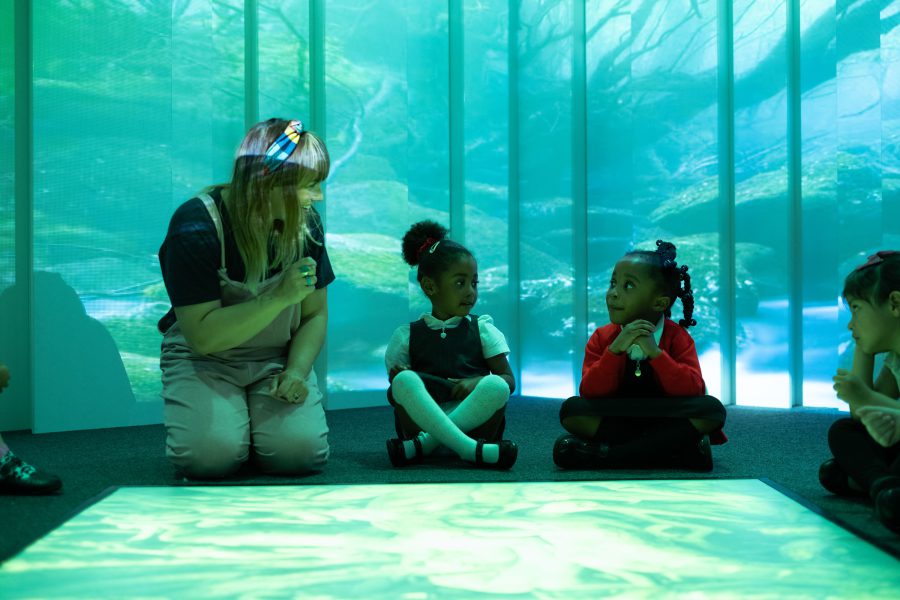
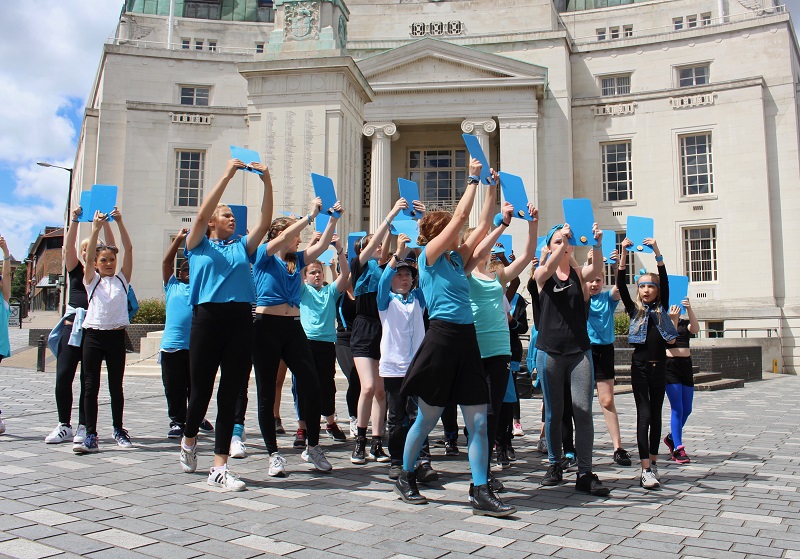
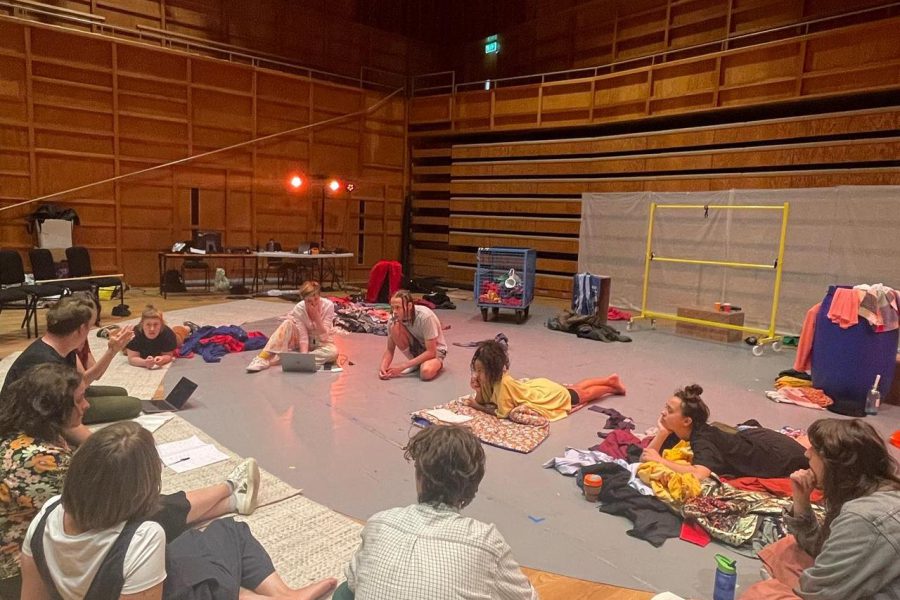
Tangled Feet is at the forefront of arts-based Therapies, delivering dramatherapy since 2013 with Croydon Local Authority.  We offer diverse therapeutic interventions supporting young people’s mental health and emotional wellbeing.
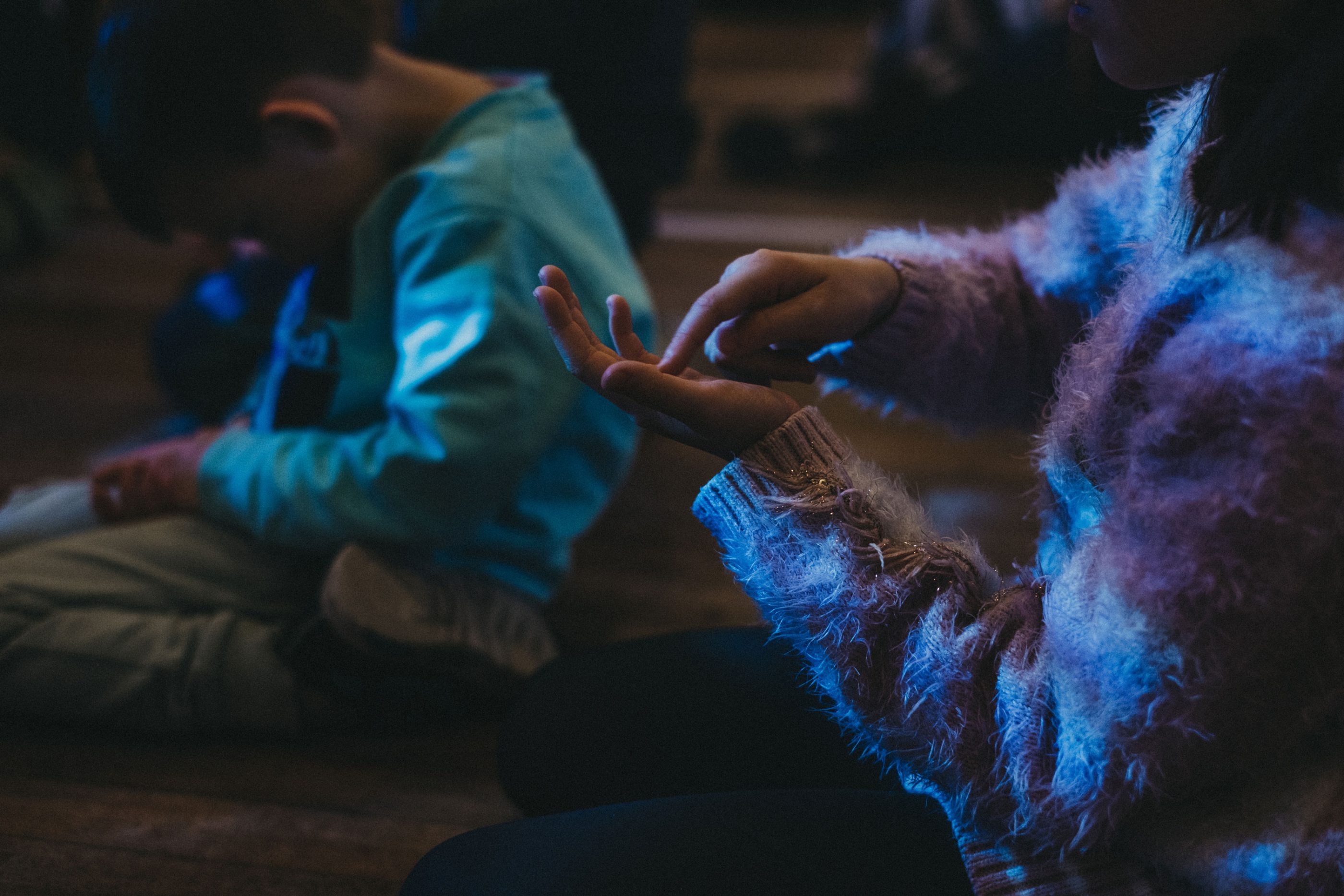
Dedicated and specialist therapists

Our team of dedicated and specialist therapists works year-round across a broad spectrum of schools, PRUs and alternative provisions. We work with several hundred young people each year in both individual and group sessions.


Types of therapy

Tangled Feet’s therapies team provides a wide range of therapeutic interventions designed to help support young people’s emotional wellbeing, build resilience, and help them feel less burdened by life’s challenges.

The types of therapy might include:
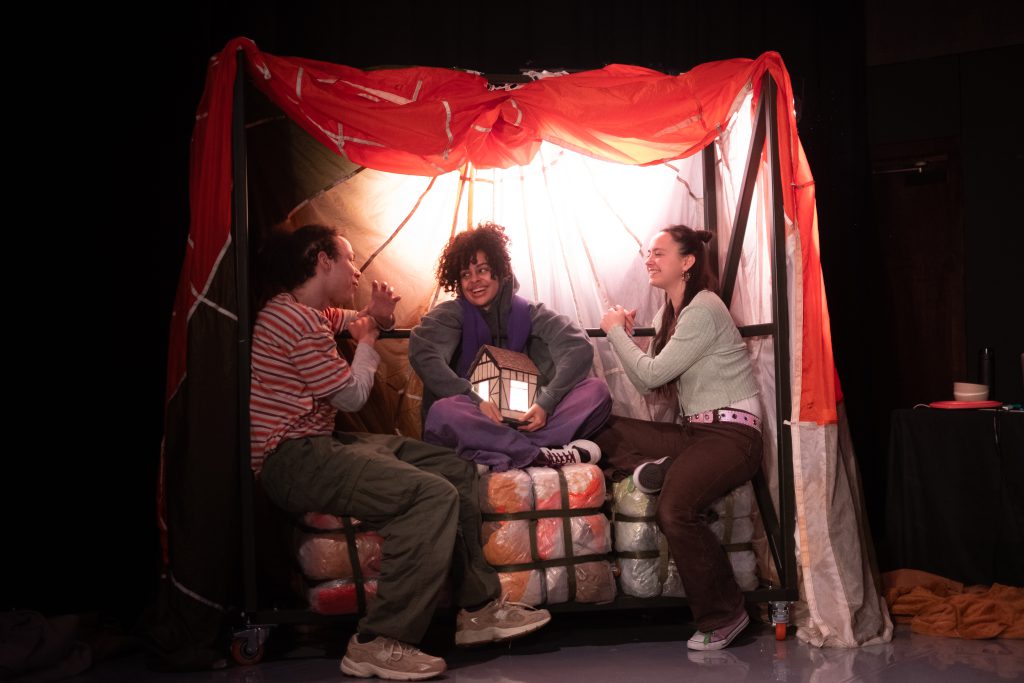
Dramatherapy

A psychological therapy using drama, theatre, and storytelling techniques like role-play, masks, puppets, movement, and improvisation to help individuals explore emotions, develop skills, build confidence, and process life challenges.

Art Psychotherapy

A specialized form of therapy using art materials and creative processes (like painting, drawing, sculpting) to explore complex emotions, trauma, and mental health issues that are hard to put into words, fostering self-awareness, healing, and personal growth.

Music Therapy

Using musical interaction (listening, singing, playing, songwriting) to achieve personalized mental health goals, helping people with emotional, physical, cognitive, and social needs by reducing stress, improving communication and boosting motor skills.

Psychodynamic Psychotherapy

Psychodynamic Psychotherapy is a talking therapy rooted in psychoanalytic theory, focusing on how unconscious thoughts, past experiences (especially childhood), and unresolved conflicts shape current feelings, behaviors, and relationships.

EFT (Emotion-Focused Therapy)

EFT Therapy, or Emotion-Focused Therapy, is a powerful psychotherapy approach developed by Leslie Greenberg, focusing on emotions as central to change, helping individuals, couples, and families understand, accept, and transform feelings to build healthier relationships and work through issues like depression, trauma, and anxiety.

EMDR (Eye Movement Desensitization and Reprocessing)

This is a form of psychotherapy that helps people heal from trauma and distressing life experiences, primarily by reprocessing painful memories so they no longer trigger strong negative reactions, often involving guided eye movements while recalling the memory.

If you want to speak to troubled children or have them speak to you, you are far more likely to be successful if you do it through their language – the language of music, image, metaphor or story

Frankel (1998:108)

Responding to the needs of these young people helps to shape the service we offer and also  informs a lot of the therapeutic theatre shows we have produced.

Find out more about our therapeutic theatre productions:

Need A Little Help (Inspired by Young Carers)

Butterflies (Explores coping strategies for Anxiety and inspired The Mindfulness Project)

Belongings (Amplifying the stories of Looked After Children)

We are currently in R&D for a new 2026 production in collaboration with Polka Theatre which explores exclusion, isolation and labelling.

I love therapy. It helps me express my emotions without having to speak. There was always a way to use my words. I wouldn’t bottle them up as much. It helped me feel normal to talk about how I feel and how to cope with different strategies. It helped my confidence.

Participant feedback

It has been really beneficial in being able support young people as part

of a multidisciplinary approach which has helped students and has also been good for parent’s faith in the school and the support that we can provide them all.

Family Support Officer feedback

The young person seemed very happy about dramatherapy and was able to apply what she learned there in real life situations. She understands now that it is better to talk with a trusted adult than hit or shout at the person who has upset her. She is also able to calm herself down without a prompt. She knows exactly what she needs to do.

Teacher feedback

Impact

Our diverse team of qualified therapists works with creativity and sensitivity to foster meaningful engagement particularly with some of the most hard-to-reach young people.

We recognise that for many, creative expression offers a vital pathway for communication and connection. Our work is impactful with many young people who, for a variety of reasons, struggle to engage with traditional education.
Download our impact report (.pdf)

When asked what Dramatherapy means to them participants said:

“Having your voice heard”

Participant feedback

“To respect my opinions when not everyone else does”

Participant feedback

“My favourite part of the day. The reason I looked forward to School.”

Participant feedback

“helped me to feel less angry at the world by validating my experiences and giving me the knowledge and tools to overcome so many things that bothered me.”

Participant feedback